Margetha: Where Classic Elegance Meets Modern Design
Every designer knows the feeling: you have a brilliant concept, but the typography feels flat. You need something with character, something that tells a story before a single word is read. That’s where a typeface like Margetha comes in. It’s not just another script font; it’s a design asset built on classic typography foundations, yet it carries a distinct, contemporary flair. This premium font draws inspiration from the fluid, expressive letterforms of the past, but refines them for today's diverse creative landscape.
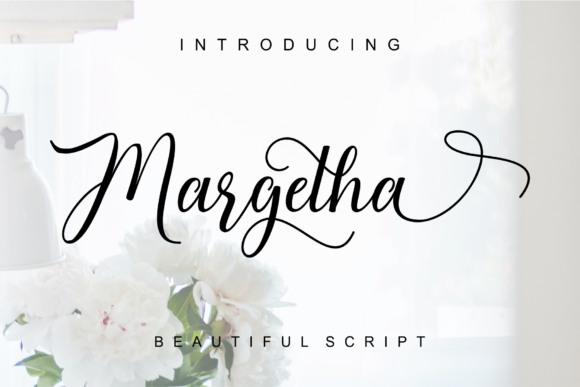
Visually, Margetha strikes a compelling balance. It possesses the graceful flow and connected strokes of a traditional script, but its forms are clean and deliberate, avoiding the overly ornate or casual look of some handwritten fonts. The result is a typeface that feels both personal and polished. Its personality is one of sophisticated warmth—it can be elegant and formal for a luxury brand, or friendly and approachable for a boutique bakery. This versatility is its core strength, making it a valuable addition to any designer's toolkit.
A Font for Every Creative Stage
Think about the projects where first impressions and emotional resonance are critical. Margetha excels as a display font, making it perfect for headlines that need to grab attention. Imagine it on a wedding invitation, setting a tone of timeless romance. Or see it as the centerpiece of a logo for a high-end jewelry brand, communicating craftsmanship and exclusivity. Its strong visual hierarchy makes it an excellent choice for editorial design, where a captivating magazine cover or chapter title can draw readers into the content.
Beyond print, this creative font adapts seamlessly to digital environments. In web design, a well-placed Margetha headline can break the monotony of body text in a sans serif font, adding personality to a blog header or a homepage banner. For social media graphics, it brings a level of professionalism and artistry that generic fonts lack, helping your posts stand out in a crowded feed. It’s equally effective in packaging design, where it can convey the artisanal quality of a product on a label or box.
However, its application isn't limited to large-scale branding. Entrepreneurs and small business owners will find Margetha incredibly useful for creating cohesive brand identity materials—from business cards and letterheads to email newsletters. Crafters and hobbyists can use it to design unique personal projects, such as custom apparel, scrapbook elements, or party decor. The key is understanding its strength: it’s designed for impactful moments, not for setting long paragraphs of body copy.
Using Margetha Effectively: A Practical Guide
Adopting a new font, especially a expressive one like a script, requires thoughtful implementation. Here’s how to integrate Margetha into your work for maximum impact.
Pairing for Balance and Readability
A script font should rarely work alone. The magic happens in the pairing. For a harmonious and professional look, pair Margetha with a clean, neutral serif font or sans serif font. For example, use Margetha for a main headline and a font like Lora (serif) or Montserrat (sans serif) for subheadings and body text. This creates a clear visual hierarchy: Margetha draws the eye for key messages, while the paired font ensures the supporting text is easy to read. Always test your pairings at the actual size they will be used.
Evaluating Fit for Your Project
Ask yourself a few questions before committing. Does the project's tone align with Margetha's elegant yet approachable personality? Is the primary use for short, impactful text like logos, titles, or call-to-action buttons? If you need a font for dense, long-form reading, a traditional serif or sans serif is a better choice. But for branding, marketing collateral, and decorative elements, Margetha is a powerful contender.
Exploring Styles and Licensing
A quality premium font often comes with multiple styles. Check if the Margetha family includes alternates, swashes, or ligatures. These features allow for customization, letting you tailor the letterforms to fit your exact design vision. Furthermore, understand the commercial license. Ensure it covers your intended use—whether for a client project, merchandise for sale, or digital products. Respecting licensing is a mark of professionalism and protects your work.
Ultimately, typography is about communication. Margetha offers a unique voice—one that blends classic inspiration with modern clarity. It’s a tool for designers, marketers, and creators who want to infuse their projects with character and sophistication. By applying it strategically and pairing it wisely, you can elevate your designs from merely functional to truly memorable.