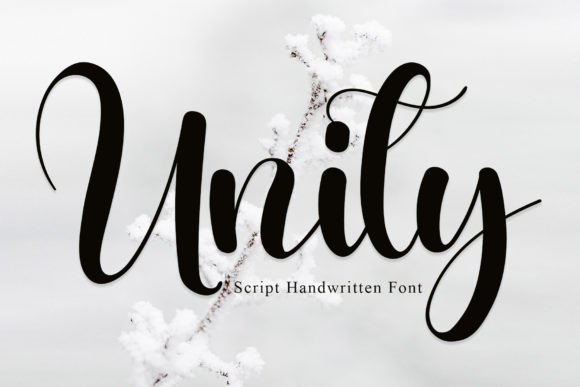
Unity: A Sweet Handwritten Script for Joyful Designs
In the world of design, finding a font that feels both personal and polished can be a challenge. You want something that captures emotion without sacrificing clarity. This is where Unity, a lovely and sweet handwritten script font, finds its place. It’s not just another decorative typeface; it’s a design asset that brings a specific, joyful energy to projects. Imagine the warmth of a hand-lettered note, the romance of a wedding invitation, or the approachable charm of a small business logo. That’s the feeling Unity is built to evoke. Its gentle curves and flowing connections create a sense of authenticity and care, making it far more than just letters on a page.
The Gentle Power of a Handwritten Typeface
At its core, Unity is a script font that mimics the organic flow of natural handwriting. Unlike rigid, geometric typefaces, its letters have subtle variations in stroke width and a gentle baseline movement. This isn’t about technical perfection; it’s about capturing a human touch. The personality of this creative font is inherently friendly, romantic, and uplifting. It avoids the overly casual or childish look of some handwritten fonts, striking a balance that feels mature and sophisticated enough for commercial use. The overall appeal lies in its ability to add instant emotional warmth and a personal signature to any visual composition.
Where Unity Truly Shines: Practical Applications
Understanding a font’s character is one thing; knowing where to apply it is another. Unity’s strength lies in projects where connection and emotion are key. It’s a superb choice for logo design, particularly for brands in the wedding industry, boutique retail, artisanal food products, or lifestyle coaching. The font immediately communicates a brand’s values of care, craftsmanship, and personal connection. In packaging design, it can make a product feel handpicked and special, turning a simple label into a story.
For editorial design and publishing, Unity works beautifully for magazine pull quotes, chapter titles, or blog post headers. It adds a dynamic, eye-catching element that breaks up long blocks of text from a complementary serif font or sans serif font. Think of a cookbook where recipe names are set in Unity, or a travel blog where destination titles pop with this display font. Its effectiveness extends to web design and social media graphics. Use it for call-to-action buttons, featured quotes, or Instagram stories to create immediate visual interest and drive engagement. The font’s joyful nature is perfect for announcements, celebrations, and inspirational content.
Making the Most of Your Font Choice
Choosing a premium font like Unity is an investment in your project’s visual language. To ensure it delivers value, consider a few practical guidelines. First, evaluate the project’s tone. Unity is ideal for themes of love, celebration, gratitude, and personal growth. It might not be the best fit for corporate financial reports or technical manuals, where neutrality and maximum readability are paramount.
Next, think about font pairing. A handwritten font like Unity should rarely stand alone for body text. Its magic comes alive when paired with a clean, stable counterpart. A classic approach is to combine it with a simple sans serif like Montserrat or Open Sans for body copy. This creates a clear visual hierarchy: Unity draws the eye for headlines and key phrases, while the paired font ensures effortless reading for longer passages. For a more elegant feel, pairing it with a traditional serif like Lora or Merriweather can create a beautiful contrast between the organic script and structured text.
A Practical Guide to Implementation
Before you commit, take the time to test Unity in context. Most font foundries provide previews or specimen sheets. Type out your actual project words—your business name, a key headline, a sample sentence—to see how the letterforms interact. Pay attention to readability at the intended size. While Unity is clear for a script font, very small sizes on low-resolution screens can cause the delicate joins to blur. For web design, consider using it for larger headings (H1, H2) rather than body paragraphs.
Always review the included styles. A quality commercial font often comes with multiple weights (like light, regular, bold) or stylistic alternates. These might include different capital letter styles or swash endings that give you more creative control. Understanding these options allows you to fine-tune the font’s personality for your specific need, ensuring your brand identity remains consistent and professional.
Finally, licensing is a critical step. If your project is commercial—which includes anything for a business, client work, or monetized content—you need to ensure you have the correct commercial font license. This protects you legally and supports the type designers who craft these valuable design assets. Using a font within its licensed terms is a mark of professionalism in the design community.
Crafting a Cohesive and Recognizable Brand
When used thoughtfully, a typeface like Unity becomes more than a decoration; it becomes a core component of your brand identity. Its consistent use across your website, social media, packaging, and print materials builds instant recognition. Customers begin to associate that specific, joyful script with your business’s voice and values. This consistency fosters trust and professionalism, showing that you’ve paid attention to every detail of your brand’s presentation.
The font’s influence on audience engagement shouldn’t be underestimated. In a digital landscape saturated with generic sans serifs, a well-chosen script font can stop the scroll. It adds a layer of personality that invites interaction. A heartfelt thank-you note to customers set in Unity feels more sincere. A special offer feels more exclusive. This emotional connection is the ultimate goal of good design—to move beyond mere information and create a feeling.
Unity is a versatile tool in your modern typography toolkit. It’s not about overusing it, but about deploying it with intention to add a touch of romance, joy, and human connection. Whether you’re a designer crafting a client’s brand identity, an entrepreneur building your own shop, or a blogger creating compelling content, this script font offers a practical way to elevate your work. It proves that sometimes, the most powerful design choice is one that feels genuinely sweet and personal.