Yummy: The Sweet Spot Between Elegance and Approachability
There's a particular challenge in design: how do you create something that feels both timelessly elegant and genuinely warm? Too much refinement can feel cold and distant. Too much casualness can lack credibility. The Yummy font finds that balance beautifully, offering a hand-lettered script that carries the weight of classic calligraphy while maintaining a friendly, approachable personality.
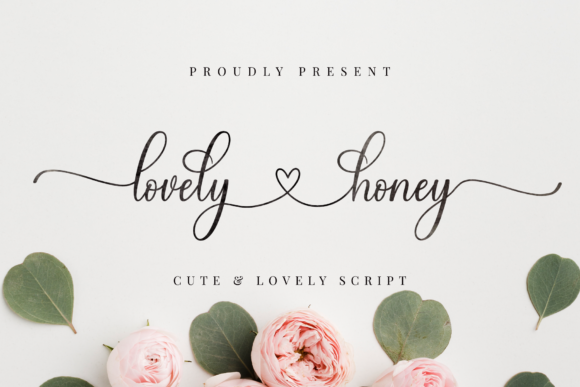
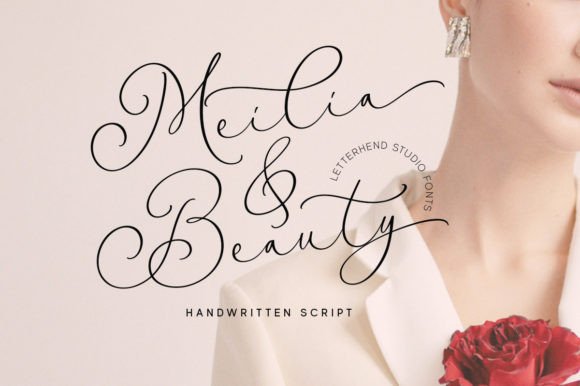
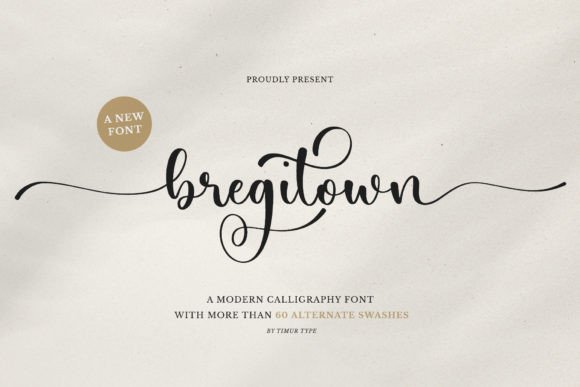
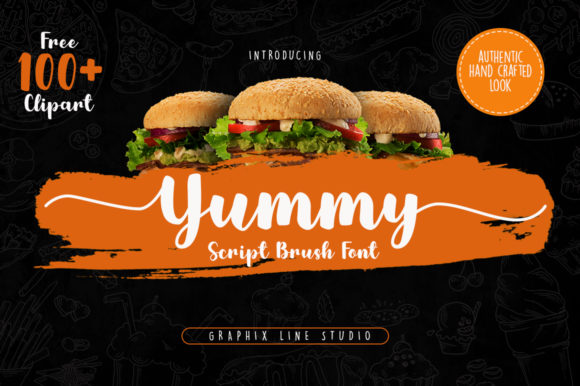
As a designer who's worked with hundreds of typefaces over the years, I appreciate when a font understands its own strengths. Yummy doesn't try to be everything. It's a sweet, soft hand-lettered script font with flowing connections between letters and a rhythm that feels natural rather than mechanical. The letterforms have that slight imperfection you'd expect from actual handwriting, but they're refined enough to maintain consistency across longer words and phrases.
Understanding Yummy's Visual Character
When you first encounter Yummy, you'll notice the smooth, flowing strokes that give each letter a sense of movement. The curves are generous without being excessive, and the baseline has a gentle wave that mimics natural handwriting. This isn't a script font that screams for attention with dramatic flourishes. Instead, it whispers with confidence.
The overall style sits in an interesting space within modern typography. While it draws from traditional calligraphic roots, the execution feels contemporary. The x-height is comfortable, the spacing between characters allows for easy reading at reasonable sizes, and the weight distribution across strokes creates a pleasant visual texture. It's the kind of typeface that feels familiar even when you're seeing it for the first time.
What makes Yummy particularly useful is how it handles different contexts. At larger display sizes, the letter connections and stroke variations become part of the visual appeal. At smaller sizes, the overall word shapes remain clear and recognizable. This versatility matters more than people realize when choosing a creative font for real projects.
Where Yummy Truly Shines
Let me walk you through practical applications where this font genuinely earns its place in your design assets collection.
Brand Identity and Logo Design
For logo design, Yummy works exceptionally well for brands that want to communicate warmth, authenticity, and personal touch. Think bakeries, boutique shops, lifestyle brands, wedding services, artisan products, or any business where the human element matters. The font's personality suggests craftsmanship and care without feeling stuffy or overly formal.
I've seen it used effectively for small business owners who want their brand identity to feel personal rather than corporate. A handwritten script font like this one tells customers that there's a real person behind the business, someone who pays attention to details.
Editorial and Publishing Work
In editorial design, Yummy serves beautifully as an accent typeface. Magazine headers, pull quotes, chapter titles, and feature story callouts all benefit from its elegant warmth. It pairs particularly well with clean serif font or sans serif font families for body text, creating a visual hierarchy that guides readers naturally through the page.
Bloggers and content creators find it useful for creating visual interest in social media graphics, Pinterest pins, and YouTube thumbnails. The font reads well on screens and photographs cleanly, which matters more than you might think when your content gets shared across platforms.
Packaging and Product Design
Packaging design is another area where Yummy excels. Product labels, gift tags, shopping bags, and promotional materials benefit from a handwritten font that suggests artisanal quality. The font's softness works particularly well for food products, cosmetics, candles, stationery, and anything positioned as a thoughtful gift or personal indulgence.
Digital and Web Applications
For web design, Yummy works best as a display element rather than body copy. Hero section headlines, email newsletter headers, landing page callouts, and call-to-action phrases benefit from its personality. Used strategically, it adds warmth to digital experiences that might otherwise feel sterile.
Social media graphics are perhaps where this premium font gets the most mileage. Instagram stories, Facebook covers, quote graphics, and promotional posts all benefit from a script font that feels handcrafted rather than templated. In a feed full of generic typography, a distinctive font like Yummy helps content stand out.
Readability and Visual Hierarchy
Every display font requires thoughtful implementation. With Yummy, keep these practical points in mind:
- Size matters: Use it at sizes where the letter details remain clear. Too small, and the connections between letters can blur together, especially on lower-resolution screens.
- Contrast is your friend: Pair Yummy with a simple, clean typeface for supporting text. A neutral sans serif font or classic serif font creates the breathing room that lets a script font do its work without overwhelming the reader.
- Spacing considerations: Hand-lettered fonts sometimes need manual letter-spacing adjustments depending on the application. Test your specific use case before committing to final output.
- Color and background: The font's soft character works best against clean backgrounds. Busy patterns or low-contrast color combinations can compromise readability.
Testing Font Pairings
Good font pairing separates amateur design from professional work. Yummy pairs well with typefaces that have clean geometry and moderate weight. Think of it as the personality in your typographic system while your supporting fonts handle the practical work of readable body copy and clear information hierarchy.
Try pairing it with geometric sans serifs for a modern feel, or with traditional serifs for something more classic. The key is contrast in style but harmony in mood. Your paired fonts should feel like they belong in the same conversation, even though they're speaking in different voices.
Licensing and Commercial Use
Before using Yummy in commercial projects, verify the licensing terms. Most commercial font licenses cover standard business use, but specific applications like large-scale distribution, embedding in software, or broadcast may require extended licensing. Read the license agreement carefully, especially if you're an agency creating work for multiple clients or a business that needs flexibility across various applications.
Evaluating Project Fit
Not every project needs a handwritten font. Before choosing Yummy, ask yourself whether the project benefits from warmth and personality. Legal documents, technical manuals, or highly formal communications probably aren't the right context. But anything that benefits from a human touch, emotional connection, or artisanal quality likely is.
Consider your audience carefully. Yummy resonates with people who appreciate craftsmanship and personal attention. It's a font that says, "Someone cared about this." For marketers, entrepreneurs, and small business owners, that message can be incredibly powerful when it aligns with your actual brand values.
Making the Most of Your Investment
A good premium font becomes a long-term design asset. Once you've added Yummy to your toolkit, spend time exploring its full range. Test it across different projects, sizes, and contexts. Create sample layouts before committing to final designs. The more familiar you become with its character, the more effectively you'll use it.
For crafters and hobbyists, Yummy opens up possibilities for personalized projects that feel genuinely special. Wedding invitations, custom stationery, home décor, and gift items all benefit from typography that looks handcrafted without requiring actual calligraphy skills.
The best script fonts disappear into the design, serving the message rather than calling attention to themselves. Yummy achieves this balance well. It's distinctive enough to be memorable, refined enough to be versatile, and warm enough to feel genuinely human. That combination makes it worth considering for any designer, creator, or business owner who wants their work to connect with people on a personal level.